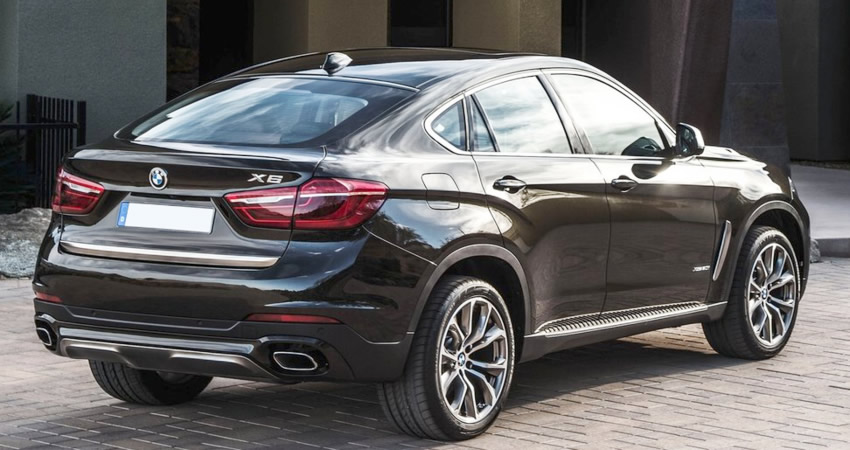
The main competitors of the BMW X6 are Audi Q7, Jeep Grand Cherokee, Lexus LX, Mercedes-Benz G-class, Porsche Cayenne, Range Rover, Volvo XC90 and Toyota Land Cruiser.
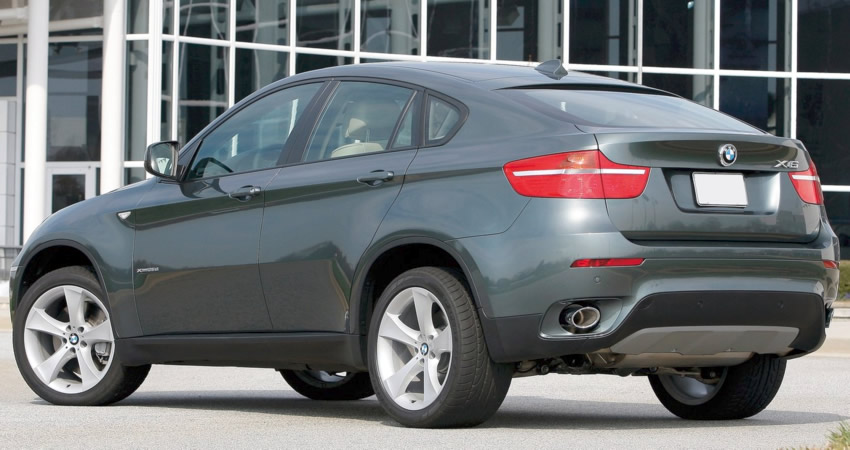
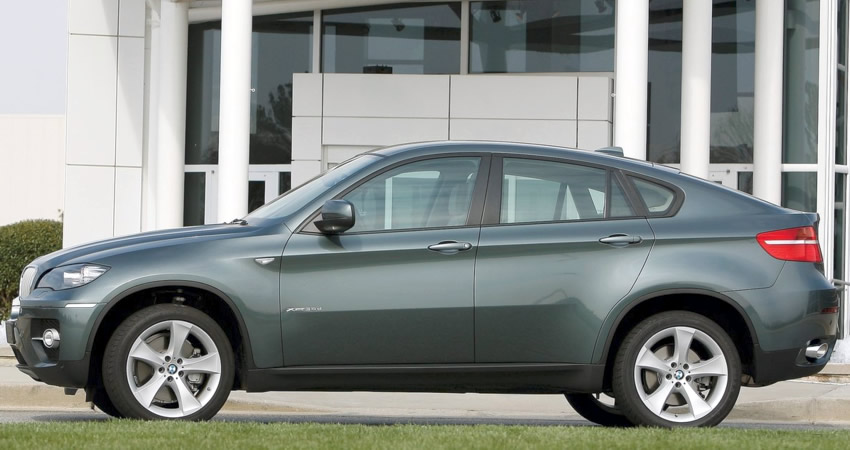
The first generation (E71; 2008–2014)
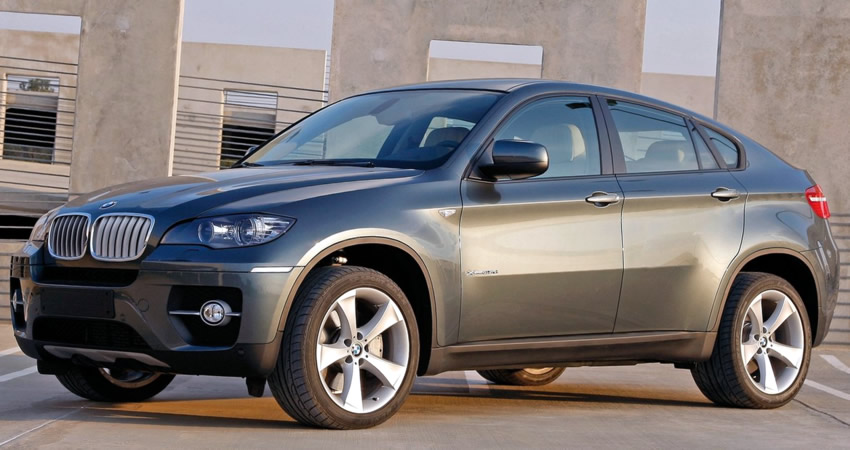
The concept model debuted at the 2007 Frankfurt International Motor Show, and mass production of the first generation was announced at the 2008 North American International Auto Show in Detroit and the Montreal International Auto Show. Production is at BMW's North American plant in Greer, South Carolina, which also produces the BMW X5. Approximately 230,000 vehicles were produced during this period.
On this model, BMW used for the first time the Active Power Control (DPC) system, which works together with the xDrive all-wheel drive. Torque is now distributed not only between the front and rear wheels (xDrive), but also to the right wheel at the rear (DPC), for improved maneuverability and additional stability. The DPC differential has clutch units on both output sides, which are driven by an electric motor.
There were three gasoline engines - two 3.5 liter 6-cylinder inline six-cylinder engines rated at 302 hp (factory name N54 and N55) and a 5.0 liter 8-cylinder V8 rated at 402 hp. There was also a hybrid model with a gasoline engine and a total output of 479 hp. Four diesel engines were available - two 3.0 liter inline 6-cylinder engines with 232 and 241 hp, a 3.5 liter l6 with 282 hp and a 4.0 liter l6 with 402 hp. The hybrid car uses an 8-speed automatic transmission, while the others use a 6-speed automatic.
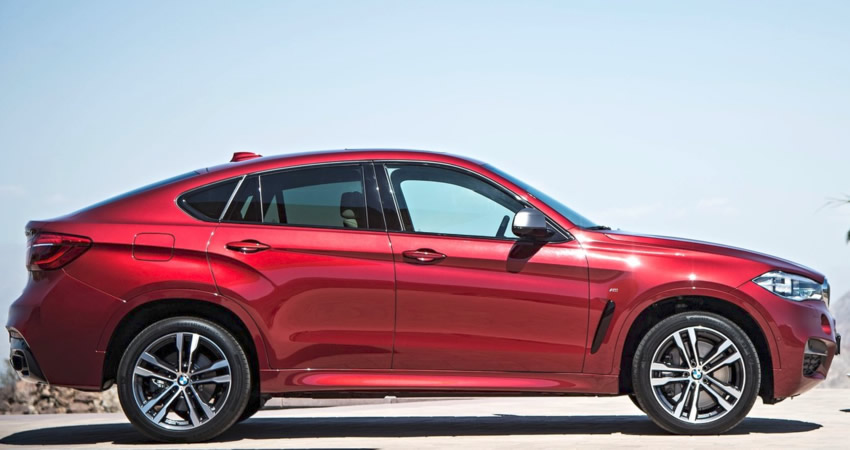
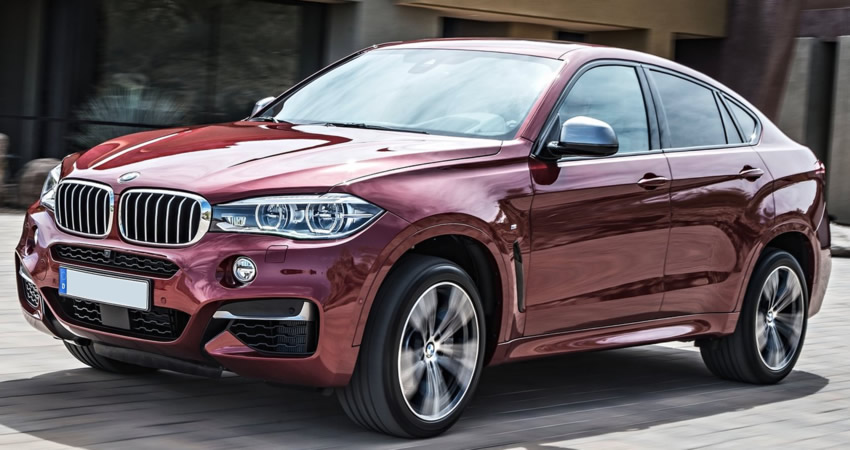
Second generation (F16; 2014-present)
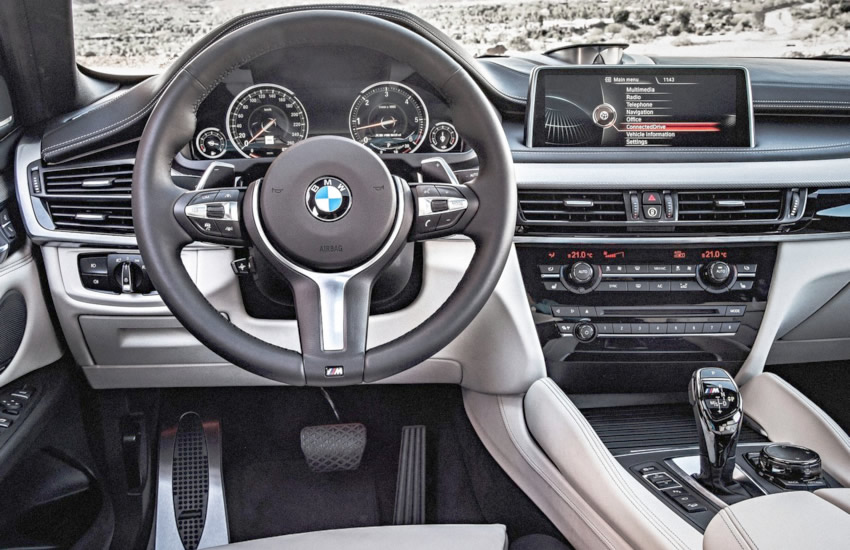
The second-generation X6 was introduced to the public at the Paris Motor Show in October 2014 with a new ZF 8HP eight-speed automatic transmission and a slightly larger luggage compartment. Official sales began in late 2014.
There are two gasoline engines - a 3.5-liter inline six-cylinder with 225 hp and a 5.2-liter V8 with 331 hp. Diesel engines are two - 3.0 and 4.0 liter, 6-cylinder inline 6s with 225 and 309 hp.