



- Before connecting an external battery, make sure the ignition is off.
- Turn off all electrical equipment (lighting devices, heater, windshield wipers, etc.)
- Follow any additional precautions printed in the battery instructions.
- Make sure the replacement battery has the same voltage as yours.
- If the battery of another vehicle is used as a bypass battery, the vehicles must not touch each other.
- Make sure the transmission is in Neutral (or PARK if automatic transmission).
Jump starting from another car can, of course, temporarily solve your problem. However, it is important to find out the reason that led to the battery discharge. There can be three such reasons:
- 1. The battery may have been discharged from repeated attempts to start the engine or because the external lights were not turned off.
- 2. The battery charging system is faulty (the alternator drive belt is loose or broken, the alternator wiring is faulty, or the alternator itself is faulty).
- 3. The battery itself is faulty (low density of electrolyte or damaged plates).
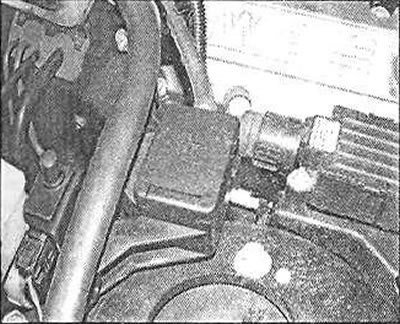
1. Connect one end of the red jumper cable to the positive (+) terminal of the dead battery
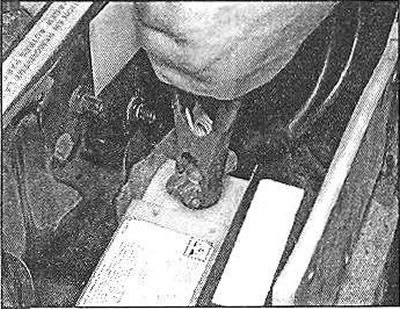
2. Connect the other end of the red wire to the positive (+) terminal of the external battery
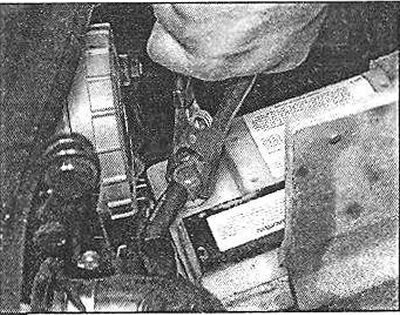
3. Connect one end of the black jumper cable to the negative (-) terminal of the other battery
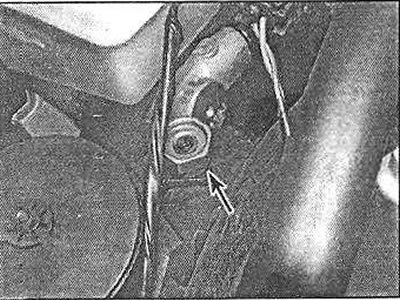
4. Attach the other end of the black wire to some bracket on the engine you want to start, away from the battery
5. Make sure that the portable wires do not touch the fan, drive belts or other moving parts of the engine.
6. Start the engine from a foreign battery. When the engine starts to run steadily at idle speed, disconnect the portable wires in the reverse order of connection.
The original text of the article is available on the resource: bmwman