
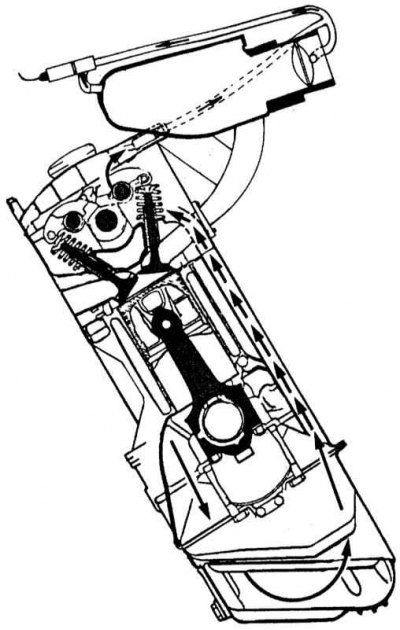
The crankcase ventilation System (PCV) reduces the carbohydrate content of exhaust gases by removing crankcase fumes. This is done by circulating gases that have broken into the crankcase and directing them through the air purifier to the intake pipe.
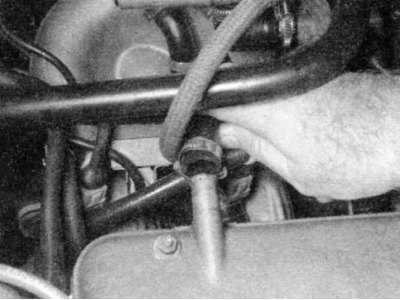
This type of PCV system is isolated. The gases that break through into the crankcase are fed to the air cleaner or air intake by the pressure in the crankcase. Most models do not mix the gases with fresh air or pass the gases through an afterburner trap, as is done in conventional systems. These models do not have conventional PCV valves - just hoses. Disconnect the PCV hose from the cylinder head cover.
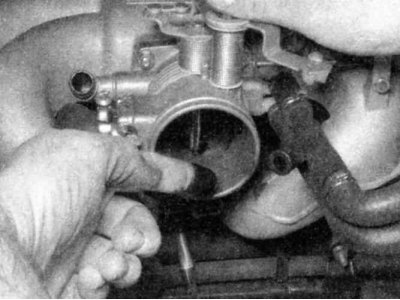
The main components of the PCV system are the hoses that connect the cylinder head cover and the throttle body or air cleaner. If abnormal operating conditions occur (such as piston ring problems), the system is designed to send excess amounts of blow-by gases through the crankcase ventilation line to the intake system so that the gases can be used in the normal combustion process. It is advisable to check for excess combustion products from crankcase gases circulating through hoses and fittings - they can periodically clog the system and cause an increase in pressure in the cylinder block
Since these models do not use a filter element, it is advisable to check the PCV system channels for blockage from sludge and combustion products.