
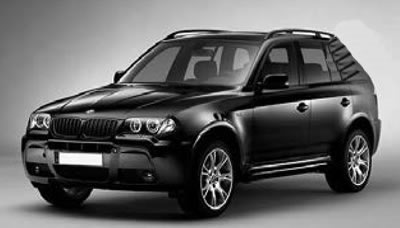
In the winter of 2003, a prototype of BMW's new crossover, the xActivity, built on the BMW 3-Series platform, was first shown at the Detroit Auto Show. In September of that year, the production version of the BMW X3 was unveiled in Frankfurt. This all-new vehicle was intended to expand the Bavarian automaker's lineup of SAV/SUV models, which had previously been represented only by the larger X5.
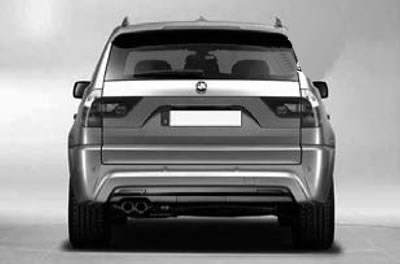
The exterior of the BMW X3 embodies strength and elegance, combining the characteristic proportions of a sports activity vehicle with classic and innovative design elements. The alternation of concave and convex surfaces gives the X3's exterior a fresh look, and the crossover's independence within the BMW model range is emphasized by numerous distinctive details, such as the new shape of the headlights and taillights, which appear to be folded from fragments. The long wheelbase, combined with short overhangs and a roofline sloping backwards, underscore the vehicle's dynamism.

The interior matches the car's exterior, bearing the same design principles – aesthetic integrity is achieved through the use of premium materials and the presence of unique design elements. The pleasant to the touch interior trim materials combine harmonious colours with elegant shapes.
The high seating position improves visibility of the road, thereby making driving safer. As is traditional for Bavarian automakers, ergonomics are at the highest level - all controls are located in the most convenient and accessible places. The two typical BMW round instruments – the speedometer and odometer – are combined under a single elegant visor.
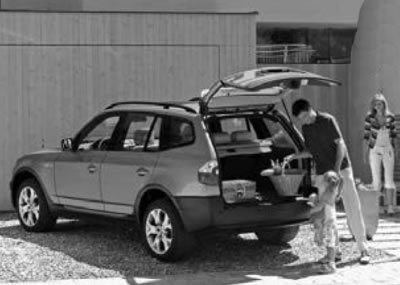
The spacious 1,560-litre trunk can accommodate sports equipment such as mountain bikes. Numerous compartments and niches in the X3's interior highlight the car's high functionality. The safety of a vehicle with a trailer is ensured by a unique stability control system. This function, which expands the capabilities of the DSC system, is also offered as standard, as is the automatic downhill speed limiter HDC (Hill Descent Control), which works confidently even when moving on loose surfaces.
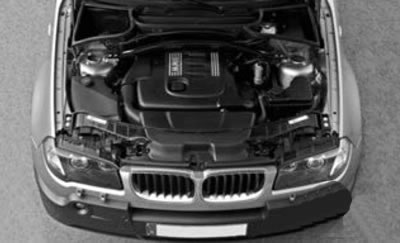
BMW engines are masterpieces of engineering thought. Initially, the powertrain range included inline-six-cylinder gasoline engines with displacements of 2.5 liters (192 hp) and 3.0 liters (231 hp), as well as three-liter turbodiesels producing 204 hp and 218 hp. A six-speed manual was the standard transmission, and a five-speed automatic was available as an option. In 2005, the engine lineup was expanded to include four-cylinder, two-liter gasoline and diesel engines with the same power output (150 hp).
Dynamic petrol engines are characterized by powerful acceleration and low noise levels during operation, while diesel engines impress with their torque and fuel efficiency. At the same time, no matter what engine is under the hood of the X3, the driver can always be sure of an endless supply of power.
Every element of the BMW X3's suspension is designed to provide optimal road contact while maintaining maximum performance.
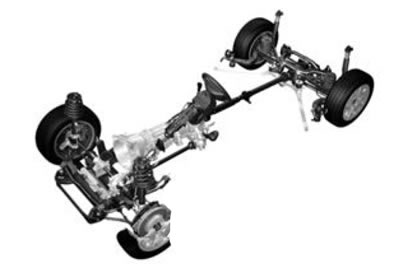
A special feature of the X3 is the all-new xDrive intelligent all-wheel drive system, which provides continuously variable and smooth distribution of torque between the front and rear wheels. The system recognizes a situation in which a change in torque distribution is required and reacts within a very short period of time. When driving on roads, the system usually reacts even before the wheel loses traction on the supporting surface. This means that xDrive can, for example, direct the required traction force to the appropriate axle at any time during dynamic cornering, significantly reducing the risk of understeer or oversteer. Thus, when driving on a level road, xDrive provides a noticeable gain in dynamism and at the same time in safety. In addition, xDrive provides better traction on poor roads or slippery surfaces, as the force is quickly directed to the wheels with the best traction coefficient if one of the wheels is at risk of slipping and thereby losing traction.
Dynamic Stability Control (DSC) monitors the X3's chassis, while Hill Descent Control (HDC) ensures maximum safety even on the steepest descents.
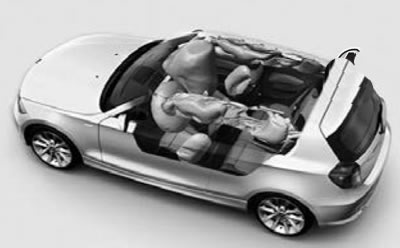
The safety standards that the designers followed when developing the X3 are unprecedentedly high. The fact that the front wheel drive shafts are routed through the oil sump provides the vehicle with a very low centre of gravity, which helps reduce lateral roll. The X3's independent chassis delivers exceptional stability and torsional rigidity, while individually reinforced side rails and a high-strength cockpit ensure maximum occupant protection. In the event of a collision, most of the impact force is absorbed by individual parts of the car body. An airbag system and comprehensive seat safety systems complete the BMW X3's safety package.
The seat belts in the X3 model are equipped with force limiters and belt tensioners. They are instantly activated, holding passengers in place in the event of an accident.
Thanks to the intelligent Impact Dependent System, in an emergency situation only the necessary airbags are deployed to the required level to protect the driver and passengers.
The adaptive headlight control system, which uses electromechanical drives to swivel the headlights in the direction of vehicle travel, ensures optimal illumination of the road.
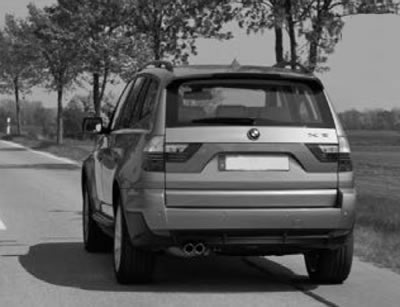
The 2007 model year BMW X3 came out with a host of new engines and a freshened look. At the same time, the compact crossover did not change its original concept. The front and rear bumpers have been slightly changed, as have the taillights, which were previously composed of a mosaic of several figures. In addition, the interior has been slightly changed and is now finished with even higher quality materials.
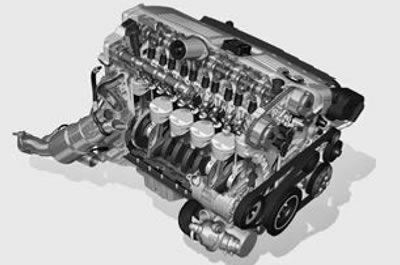
After the 2007 restyling, the inline sixes became more powerful: 2.5 L petrol – 218 hp, 3.0 L – 272 hp and 3.0 L turbodiesels – 218 hp and 286 hp. The automatic transmission became six-speed.
The 2007 BMW X3 was the first car to bear the X-badge (that is, all-wheel drive), which comes standard with the improved Dynamic Stability Control+ (DSC+) dynamic stabilization system. On the BMW X3, it monitors the brakes particularly closely. The Brake Pretensioning function helps reduce the braking distance during emergency braking. The electronics notice if the driver suddenly removes their foot from the brake pedal and begins to brake the car automatically. The Brake Drying function keeps brake discs dry in rainy weather: the electronics dries the discs unnoticed by the driver by periodically moving the brake pads closer to them.
BMW X3 is the ideal car for independent people. It is the first sports car for active recreation with the intelligent xDrive all-wheel drive system and a versatile interior – symbols of BMW engineering excellence and practical, stylish design.
This manual provides instructions for the operation and repair of all modifications of the BMW X3 (E83 body), produced since 2003, taking into account the 2007 update.
| BMW X3 (E83) | ||
| 2.0 i Years of production: from 2005 to the present Body type: station wagon Engine capacity: 1995 cm | Doors: 5 CP: manual/automatic. | Fuel: AI-98 gasoline (aI-95 and AI-91 are allowed, but with a loss of nominal power) Fuel tank capacity: 67 l Consumption (city/highway): 13.1/7.1 l/100 km |
| 2.0 d Years of production: from 2005 to the present Body type: station wagon Engine capacity: 1995 cm3 | Doors: 5 CP: manual/automatic. | Fuel: diesel fuel DIN EN 590 Fuel tank capacity: 67 l Consumption (city/highway): 9.6/5.9 l/100 km |
| 2.5 i Production years: 2003 to present Body type: station wagon Engine capacity: 2494 cm³ | Doors: 5 CP: manual/automatic. | Fuel: AI-98 gasoline (aI-95 and AI-91 are allowed, but with a loss of nominal power) Fuel tank capacity: 67 l Consumption (city/highway): 15.6/8.7 l/100 km |
| 3.0 i Production years: 2003 to present Body type: station wagon Engine capacity: 2979 cm³ | Doors: 5 CP: manual/automatic. | Fuel: AI-98 gasoline (aI-95 and AI-91 are allowed, but with a loss of nominal power) Fuel tank capacity: 67 l Consumption (city/highway): 16/8.7 l/100 km |
| 3.0 d (204 HP) Years of production: from 2003 to the present Body type: station wagon Engine capacity: 2993 cm³ | Doors: 5 CP: manual/automatic. | Fuel: diesel fuel DIN EN 590 Fuel tank capacity: 67 l Consumption (city/highway): 9.6/5.9 l/100 km |
| 3.0 d (218 HP) Years of production: from 2003 to the present Body type: station wagon Engine capacity: 2993 cm³ | Doors: 5 CP: manual/automatic. | Fuel: diesel fuel DIN EN 590 Fuel tank capacity: 67 l Consumption (city/highway): 10.3/6.5 l/100 km |
| 2.5 si Production years: 2007 to present Body type: station wagon Engine capacity: 2497 cm³ | Doors: 5 CP: manual/automatic. | Fuel: AI-98 gasoline (aI-95 and AI-91 are allowed, but with a loss of nominal power) Fuel tank capacity: 67 l Consumption (city/highway): 12.8/7.3 l/100 km |
| 3.0 si Production years: 2007 to present Body type: station wagon Engine capacity: 2995 cm³ | Doors: 5 CP: manual/automatic. | Fuel: AI-98 gasoline (aI-95 and AI-91 are allowed, but with a loss of nominal power) Fuel tank capacity: 67 l Consumption (city/highway): 13.4/7.3 l/100 km |
| 3.0 d Years of production: from 2007 to the present Body type: station wagon Engine capacity: 2993 cm³ | Doors: 5 CP: manual/automatic. | Fuel: diesel fuel DIN EN 590 Fuel tank capacity: 67 l Consumption (city/highway): 9.7/6.0 l/100 km |
| 3.0 sd Years of production: from 2007 to the present Body type: station wagon Engine capacity: 2993 cm³ | Doors: 5 CP: manual/automatic. | Fuel: diesel fuel DIN EN 590 Fuel tank capacity: 67 l Consumption (city/highway): 9.7/6.7 l/100 km |