
Annually or every 20,000 km.
The condition of the spark plug wires should be checked regularly at the recommended intervals and each time the spark plugs are replaced.
Begin this procedure by visually inspecting the wires with the engine running. In a darkened garage (make sure there is good ventilation in the room) start the engine and carefully inspect each wire. Try not to touch moving parts of the engine. If there is a break, the wire will spark at the damaged location. In this case, replace the wires, then let the engine cool down.
1. Disconnect the negative battery cable.
If your vehicle's radio is equipped with an anti-theft system, make sure you enter the correct code before disconnecting the battery.
If the instrument cluster displays the wrong language after connecting the battery, refer to Section Anti-theft audio system and instrument cluster language, which describes the procedure for installing the required language.
2. To avoid confusion during installation, the high-voltage wires should be checked one by one.
3. Disconnect the high voltage wire from the spark plug. Do not pull on the wire, only on the connector.
4. Inspect the inside of the connector for corrosion, which looks like a white, loose powder. Connect the wire with the connector to the spark plug tail. The connector should fit tightly onto the tail. If this is not possible, remove the wire again and adjust the position of the terminal inside the connector with pliers.
5. Wipe the outside of the wires along their entire length with a clean cloth, removing any dirt or grease that has stuck to them. After cleaning, check the wire for signs of burnout, cracks, or other damage. Do not bend the wire at sharp angles, as this may cause the conductor to break.
6. Disconnect the high voltage wire from the distributor. Remember to pull only on the connector. Check it for corrosion and reconnect it in the same way as the spark plug wire. Replace the distributor wire if necessary.
7. Check the remaining spark plug wires and after checking, make sure each one is securely connected to the distributor and spark plug.
8. If the spark plug wires need replacing, purchase a set of wires specifically designed for your engine model. Kits come with wires of the correct length and with connectors installed. Remove and replace the high-voltage wires one at a time to avoid confusion in the firing order of the cylinders when installing them.
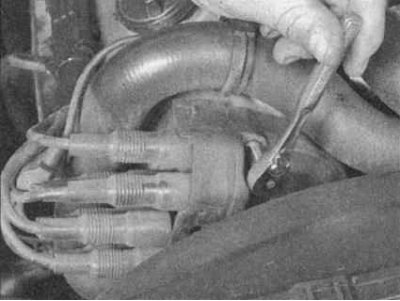
8. Loosen the screws or open the clamps, then remove the distributor cap.
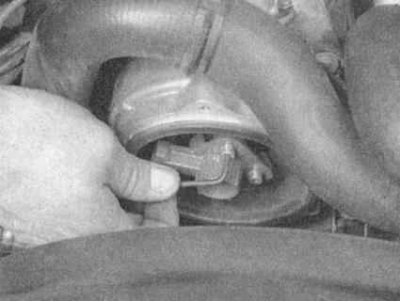
9. Give away the screws (if they exist) and remove the runner from the shaft.
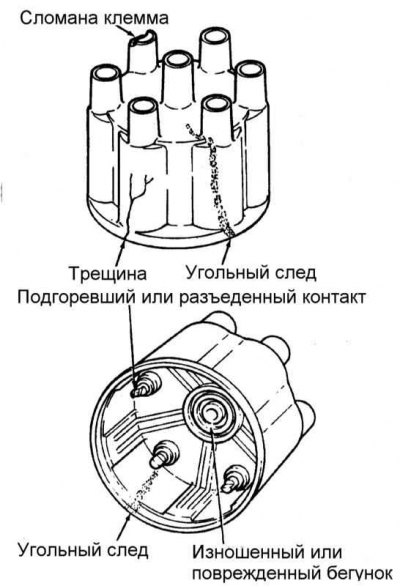
10. Inspect the distributor cap and rotor for signs of wear, cracks, carbon deposits, and worn, burnt, or loose contacts. If defects are found, replace the cap or rotor.
The illustration above shows some of the common distributor cap defects to look for during inspection
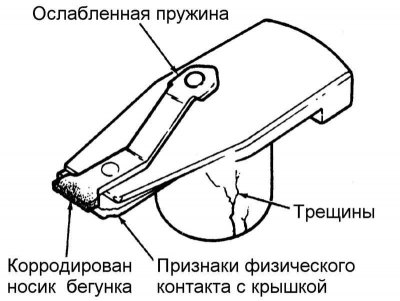
11. It is common practice to replace the cap and rotor each time the spark plug wires are replaced. When installing a new cap, disconnect the high voltage wires from the old cap one at a time and reconnect them to the new cap in exactly the same order - never disconnect all the wires at the same time to avoid confusion in the firing order of the cylinders when they are installed.
The runner arm should be checked for wear and corrosion as shown in the picture above (if you have any doubts about its condition, buy a new runner)
[The original is located on the internet portal BMWMAN]