


In the parametric ignition system, the optimal ignition moment is determined depending on the current engine operating mode. The control parameters are the engine speed, engine temperature, and intake air temperature (only on four-cylinder engines) and the engine load factor. The engine load factor is the current engine load, for example, there is a difference in engine operation at 4000 rpm when the car is on an uphill or downhill slope. On four-cylinder engines, the engine load factor is determined by the transmitted values of pressure in the intake manifold and the position of the throttle valve, and on six-cylinder engines, by the amount of air sucked in.
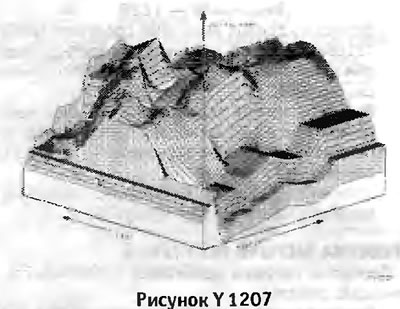
The required field of ignition system control parameters was determined as a result of bench testing and refined in road tests so that optimal values for fuel consumption, exhaust gas composition and road performance were obtained as a result. The obtained values are stored in the memory of the electronic control unit
While driving, the control unit receives information about the current engine speed, its temperature and load, on the basis of which the optimal ignition timing for the current conditions is generated (for example, 10° before TDC or 0°).
In addition to these control parameters, the ignition timing on engines with an ignition system that does not have moving parts is also determined by the knock sensor. Since fuel consumption is minimal at a high compression ratio, modern engines have the highest possible compression ratio. However, at a high compression ratio, uncontrolled combustion of fuel, i.e. detonation, can occur. Over time, detonation can damage the engine. To prevent this, a knock sensor is installed that registers uncontrolled combustion and transmits information to the control unit, which then ensures that a later ignition timing is set. BMW cars have 2 knock sensors on the engine block, connected by electrical wires to the DME control unit.
Without information on the number of revolutions, degree of load, etc., deterioration in driving characteristics may occur, for example, a decrease in engine power. Increased fuel consumption is also possible. Long-term engine malfunctions should not be feared if the defect is corrected at the earliest opportunity. In the event of ignition failure, the DME unit switches off, thereby protecting the catalytic converter from overheating.
The ignition distributor with the parametric ignition system on the 316i, 318i models manufactured before August 1993 has another task, namely, the distribution of ignition voltage to individual spark plugs. The distributor runner is driven directly from the camshaft. In this case, inertial weights, a vacuum membrane and an inductive sensor system are not required, since their functions are performed by a microprocessor in the control unit
The ignition system on all engines requires virtually no maintenance and operates without failure, with no need for ignition timing adjustment.