



- Opening one of the side doors, the hood or the trunk lid;
- Any movement in the cabin;
- Car roll (for example, when trying to remove a wheel);
- Interruption of on-board power supply.
When the emergency alarm is triggered, the sound signal is switched on in intermittent mode (for about 30 seconds), as well as direction indicators and high beams (for about 5 minutes).
The anti-theft system is activated when the single lock is activated (see section Access, protection).
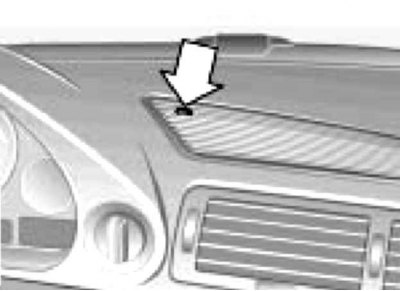
To confirm successful arming, the direction indicators and the sound signal are turned on once. The anti-theft system indicator starts flashing.
The motion sensor in the passenger compartment is activated 30 seconds after the anti-theft system is activated.
The procedure for disabling the in-cabin roll and motion sensors using the remote control is described in Section Access, protection. The procedure for opening the trunk lid without disarming the vehicle is described in Section Doors and trunk lid.
The alarm is deactivated when the locks are unlocked using the remote control.
After disarming, the anti-theft indicator stops flashing. If the anti-theft indicator flashes when you try to activate it, one of the doors, the hood or the trunk lid is not closed. If the indicator flashes for 10 seconds after disarming the car, this indicates unauthorized access to the car.
If you cannot disarm the car using the remote control, unlock the driver's door (at this point the alarm is turned on) and turn the key in the ignition switch to the position "1". At the same time, the remaining doors are unlocked and the car is disarmed.
Immobilizer engine reads the code of the chip built into the head of the key inserted into the ignition switch and compares this code with its internal code. If the codes do not match, the engine will not start.
If you cannot start the engine with the main key, this may be due to the influence of other keys with an immobilizer chip or other devices located on the same key chain as the ignition key - try using the key separately.