
Fuel is extremely flammable, so take extra precautions when working on any part of the fuel system. Do not smoke or allow open flames or unshaded lamps near the work area. Also, do not work in the garage with natural gas equipment with a wick. When working on the fuel system, wear safety glasses and have a fire extinguisher ready. If fuel comes into contact with your skin, wash it off immediately with soap and water.
Before servicing the fuel lines, be sure to disconnect the negative battery cable and (on fuel injected models) relieve pressure in the fuel system (see section Relieving pressure in the fuel injection system).
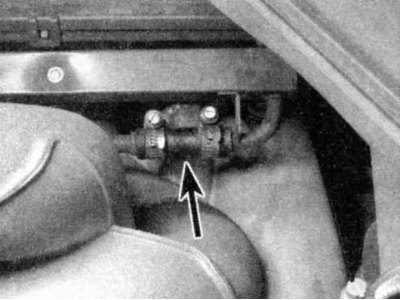
Fuel supply, return and fuel vapor lines run from the fuel tank to the engine compartment of the vehicle. The lines are secured to the underbody of the vehicle with clamps and screw assemblies. The lines should be checked periodically for dents, twists and other defects. Also pay attention to the condition of the short sections of hoses inserted into the main fuel line - they are the most likely source of leaks (see illustration).
If you notice any signs of dirt getting into the fuel system or fuel filter, disconnect and blow out the fuel lines. On fuel-injected models, also check the condition of the strainer on the submersible fuel pump.
Since the fuel lines on fuel-injected models are constantly under high pressure, special requirements are placed on them. When replacing rigid pipes, use only genuine BMW pipes. Never install plastic or copper sections - these materials are not capable of withstanding the loads associated with high pressures.