
Fuel is extremely flammable, so take extra precautions when working on any part of the fuel system. Do not smoke or allow open flames or unshaded lamps near the work area. Do not work in a garage with natural gas equipment (like water heaters or clothes dryers) with a wick. If fuel comes into contact with your skin, wash it off immediately with soap and water. When performing any work on the fuel system, wear safety glasses and have a fire extinguisher ready.
1. Check the case wiring connections. Check all the cable connectors that are connected to the system. Loose connectors and poor connections to the case can cause many problems that will lead to more serious malfunctions.
2. Make sure the battery is fully charged, as the control unit and sensors require an uninterrupted power supply to properly dose the fuel.
3. Check the air filter element - a dirty or partially clogged filter will greatly impair performance and economy (see chapter Routine car maintenance).
4. If a blown fuse is found, replace it and check to see if it has blown again. If so, look for a shorted wire to the frame in the cable connected to the system.
5. Check for leaks in the intake air duct from the air flow meter to the intake manifold. Also check the condition of the vacuum hoses leading to the intake manifold.
6. Disconnect the intake air duct from the throttle body and check for dirt, carbon deposits, and other deposits inside. If dirty, clean it with carburetor cleaner and a toothbrush.
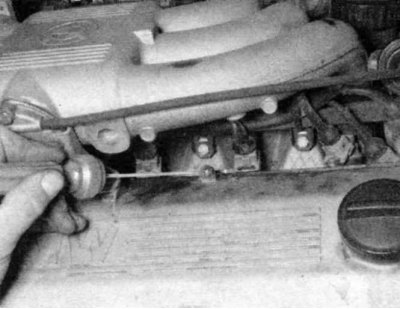
7. With the engine running, touch each injector in turn with a screwdriver or stethoscope and listen for clicks indicating operation.
8. Check the fuel system pressure (see section Checking fuel pressure/fuel pump).
9. If these tests do not reveal the fault, take the vehicle to a BMW dealer who will be able to read the fault codes from the ECU memory using special equipment.
[This publication was borrowed from an online resource: bmwman]