
The plugs installed in the cooling channels of the block may be difficult to remove or may not be removed at all.
1. Remove the plugs from the cylinder block. To do this, use a hammer and punch to hit one side of the plug inside the block, grab the other edge with large pliers and pull it out.
2. Remove all traces of gasket material from the cylinder block using a scraper. Be very careful not to leave any nicks or dents on the sealing surfaces.
3. Remove the main bearing caps and separate the bearing shells from the caps and the cylinder block. Note which cylinder the bearings belong to and whether they were installed in the cap or in the block, then set them aside.
4. Remove all oil line plugs from the block. The plugs are usually installed very tightly - you may need to drill them out and clean the holes with a tap. When assembling the engine, use new plugs.
5. If the engine is very dirty, it should be sent to a mechanical workshop for steam cleaning.
6. After the block is returned from the machine shop, clean the oil passages and bores again. Most auto parts stores have special brushes. Flush the passages with water until the water runs clear, dry the block thoroughly, and coat all machined surfaces with a light rust preventative oil. If compressed air is available, use it to speed up drying and blow it into all the passages and bores.
Protect your eyes when using compressed air!
7. If the block is not very dirty or contaminated with dirt, then adequate cleaning can be done with a hot soapy solution and a stiff brush. Do this work carefully and allow sufficient time for it. Regardless of the cleaning methods, make sure that all holes and passages of oil lines are cleaned very thoroughly, the block is completely dry and the treated surfaces are coated with a light oil.
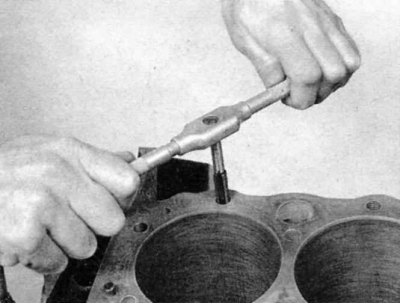
8. The threaded holes in the block must be cleaned to ensure accurate tightening torque measurements during assembly. To remove rust, corrosion, thread compound or dirt, screw a tap of the appropriate size into each hole. If possible, clean the holes of debris with compressed air after this operation. Make sure that all holes are dry - oil or other liquid can cause the block to crack due to hydraulic pressure when tightening the bolts. Now it is time to clean the threads of all bolts. Please note that BMW recommends replacing the cylinder head and main bearing bolts with new ones.
9. Install the main bearing caps and hand tighten the bolts.
10. After applying a suitable compound to the sealing surfaces, install them into the block. Be sure they are seated flat and fully seated, otherwise leaks may occur. There are special tools for this, but a socket head that fits into the plug, a 1/2 inch extension and a hammer will also work well.
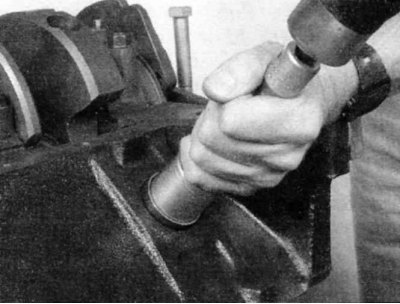
11. Apply non-drying sealant to new oil line plugs and screw them into the holes in the block. Make sure they are securely tightened.
12. If the engine is not to be reassembled, cover the block with a large plastic bag to keep it clean.
(The original material is located on the website: www.bmwman.ru)